Do I Need a Dental Crown or a Filling? How to Know the Difference
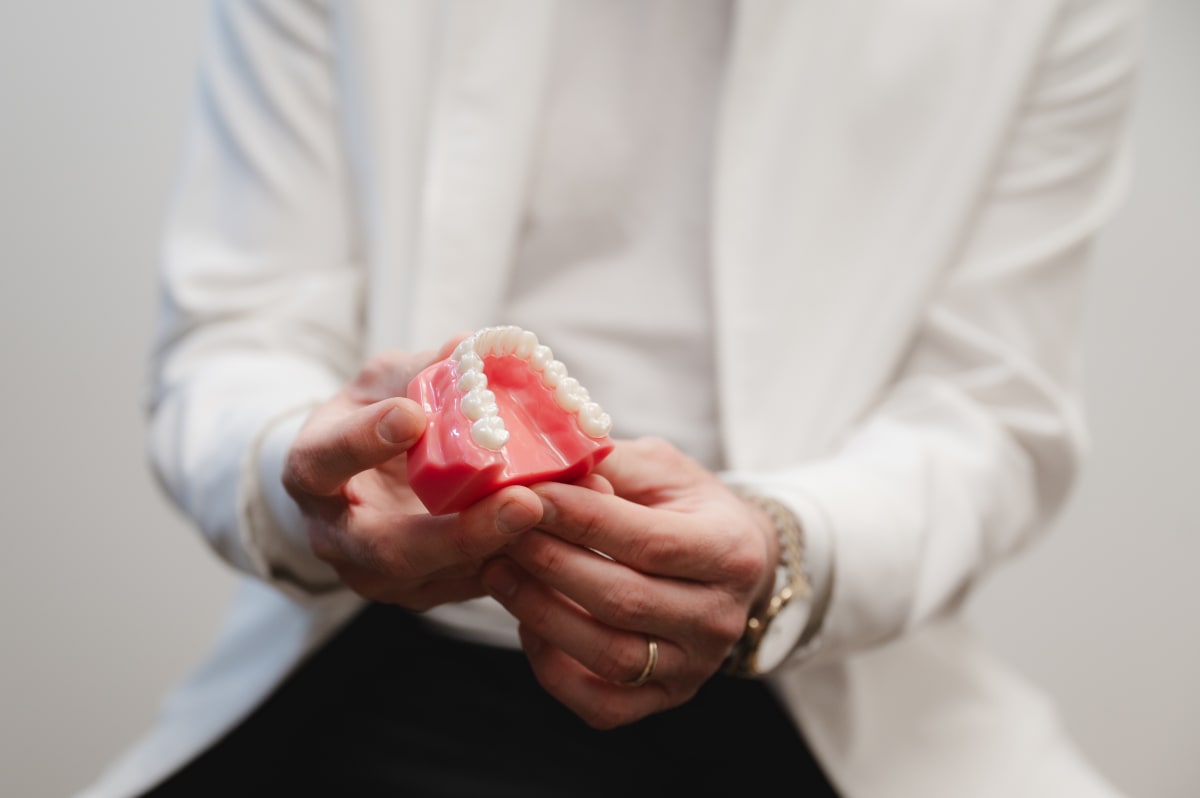
Filling or Crown? How Dr. Sutton Decides What Your Tooth Needs
You've just heard your dentist say you need either a filling or a crown, and you're probably wondering why one was recommended instead of the other. Both treatments repair damaged teeth, so the distinction isn't always obvious from the outside.
The short answer is that fillings are generally used when enough healthy tooth structure remains to support the repair, while crowns are used when a tooth needs more substantial protection. The decision isn't simply about how large a cavity looks. Dr. Sutton and Dr. Miller consider how much healthy structure remains, whether the tooth is cracked or weakened, how much pressure it takes during chewing, and whether a filling can reasonably hold up over time.
At Dapper Dental in Winter Park, we believe understanding the reasoning behind your treatment matters. If you know what your dentist is seeing and why a particular restoration makes sense, you can make decisions about your care with much more confidence.
Key Takeaways
- Fillings and crowns serve different purposes. Fillings repair smaller areas of damage, while crowns protect teeth that have lost significant structure.
- The amount of healthy tooth structure matters. Our team considers how much remains and whether it can reliably support a filling.
- A crown isn't necessarily the more aggressive option. For a weakened tooth, it may provide the protection needed to preserve it.
- The right restoration depends on the individual tooth. Cracks, previous restorations, decay, and bite forces all factor into the decision.
- Understanding your treatment matters. If you're unsure why a filling or crown was recommended, ask your dentist to walk you through what they see and why.
What Does a Dental Filling Actually Do?

A filling replaces the portion of a tooth that has been damaged by decay or minor damage. Once the affected area is removed, the filling restores the tooth's shape and allows it to function normally again.
The important thing to understand is that a filling depends on the healthy tooth around it for support. It restores what has been lost, but it doesn't reinforce the entire tooth.
That makes a filling an excellent option when the damage is limited and enough strong tooth structure remains. Dr. Sutton and Dr. Miller may recommend a filling when:
- Decay affects a relatively small portion of the tooth
- The surrounding enamel and dentin remain strong
- The tooth has enough structure to support the restoration
- An older filling needs to be replaced, but the remaining tooth is still structurally sound
The goal is to preserve as much of your natural tooth as possible. When a filling can provide a reliable repair, there is usually no reason to remove additional healthy structure to place a more extensive restoration. You can learn more about dental fillings at Dapper Dental if you'd like to understand what the procedure involves.
When Is a Crown a Better Choice?
A crown serves a different purpose. Rather than filling one area of the tooth, a crown covers the visible portion of the tooth above the gumline, helping protect the remaining structure from the forces of everyday biting and chewing.
That additional protection becomes important when a tooth has been weakened beyond what a filling can reliably support.
A crown may be recommended when:
- A significant amount of tooth structure has been lost to decay
- A tooth has cracked or fractured
- A large existing filling has weakened the remaining tooth
- A tooth has undergone root canal treatment and needs additional protection
- The remaining walls or cusps are too thin or weak to support a filling
In these situations, the question isn't simply how to replace the missing portion of the tooth. It's how to protect the healthy structure that remains. A crown essentially surrounds that structure, helping distribute biting forces and reducing the risk that the tooth will continue to break down.
Why Not Just Put in a Larger Filling?
It's a fair question. If a filling can repair a small area, why not simply make the filling larger when more of the tooth is missing?
The problem is that adding more filling material doesn't necessarily make the remaining tooth stronger. In fact, when a tooth has already lost substantial structure, the natural walls supporting a large filling may be more vulnerable to cracking or breaking under normal chewing forces. This is where the condition of the tooth becomes more important than the size of the cavity itself.
Imagine a tooth with a small cavity and plenty of healthy structure surrounding it. A filling can replace the damaged area while leaving most of the tooth intact. Now imagine a tooth where decay has removed one or more cusps and left thin walls around a large existing restoration. Those two teeth may both technically have "cavities," but they don't have the same structural needs.
That's why Dr. Sutton, Dr. Miller evaluate the tooth as a whole before recommending a restoration. The goal is to choose an option that addresses the current problem without creating a new one.
How Does the Dentist Decide Between a Filling and a Crown?

A crown recommendation shouldn't feel arbitrary. There are several specific things your dentist considers when determining how much support a tooth needs.
How much healthy tooth structure remains?
This is one of the most important factors. A tooth with strong walls surrounding a small area of decay may be well suited to a filling. When substantial portions of the tooth have been lost, a crown may provide the additional support necessary to protect what's left.
Where is the damage located?
The location of decay or damage can affect how the tooth will respond to normal biting forces. Damage involving a cusp or another structurally important part of the tooth may require more protection than a smaller area on another surface.
Is the tooth cracked?
Cracks can significantly change the treatment plan. Depending on where a fracture is located and how far it extends, a filling may not be able to stabilize the tooth adequately.
Has the tooth been restored before?
An older, large filling can leave less natural tooth structure behind than you might realize. If that restoration fails, replacing it with another filling isn't always the best long-term option.
How much pressure does the tooth experience?
Your back teeth handle considerable force every day. If a weakened tooth is already absorbing substantial bite pressure, the team needs to consider whether the proposed restoration can withstand those forces.
X-rays can also reveal decay or structural changes that aren't visible during a routine examination. Together, the clinical examination and imaging give Dr. Sutton and Dr. Miller a more complete understanding of what's happening inside and around the tooth.
Is a Crown Better Than a Filling?
Not necessarily. A filling isn't an inferior version of a crown, and a crown isn't automatically the better treatment. Each one is designed for a different situation.
When a tooth has limited damage and plenty of healthy structure remaining, a filling may be the more conservative choice. It allows your dentist to restore the damaged area while preserving more of your natural tooth.
When a tooth has been significantly weakened, however, using a filling simply because it is less extensive may not provide enough protection. In that situation, a crown may actually be the more conservative decision because it helps prevent further structural damage.
The better question isn't, "Which treatment is better?" It's "Which treatment gives this particular tooth the support it needs?" That distinction is important because restorative dentistry isn't about choosing the most extensive treatment available. It's about matching the treatment to the condition of the tooth.
How Long Can a Filling or Crown Last?
It's natural to think about longevity when you're deciding how to restore a tooth. Nobody wants to invest time and money into treatment only to find themselves dealing with the same problem again soon afterward.
There isn't one guaranteed lifespan for either a filling or a crown. Longevity depends on several factors, including the condition of the tooth, the restoration material, your bite, oral hygiene, diet, and habits such as clenching or grinding.
A filling placed in an appropriate situation can last for many years. The concern is when a filling is placed in a tooth that doesn't have enough healthy structure to support it. The filling may function for a period of time, but the underlying weakness remains.
Crowns can also provide many years of service when properly placed and maintained. However, a crown doesn't make the tooth underneath immune to decay or other problems. The tooth still needs regular brushing, flossing, professional care, and attention to habits that can place excessive stress on it. In other words, long-term success starts with choosing the restoration that fits the condition of the tooth.
What Happens When an Old Filling Fails?
Sometimes an older filling can simply be repaired or replaced. In other situations, the tooth underneath has become too compromised for another filling to be the best option.
A filling may wear down, fracture, develop leakage around its edges, or become damaged along with the surrounding tooth. If that happens, Dr. Sutton and Dr. Miller will evaluate both the restoration and the remaining natural tooth structure.
This distinction matters because replacing a failed filling isn't always about putting another filling in exactly the same spot. If the tooth has become weaker since the original restoration was placed, the appropriate treatment may have changed as well. A crown can sometimes provide the protection needed to prevent the cycle of increasingly large fillings from continuing.
What Happens If You Need a Crown?
If the team determines that a crown is the best option, the first step is preparing the tooth by removing decay or weakened areas and shaping the remaining structure so the crown can fit securely.
The tooth is then scanned or otherwise measured so the final restoration can be designed to fit comfortably with your bite. Depending on your treatment, a temporary crown may be placed while the permanent restoration is being completed.
At the final appointment, the team checks the crown's fit, appearance, and bite before securing it in place. The process is more involved than receiving a filling, but the purpose is straightforward: protect a tooth that has lost enough structure to need more support while preserving it as part of your natural smile.
Preserving Your Natural Tooth Is the Goal
Fillings and crowns may look like very different treatments, but they ultimately have the same goal: helping you keep your natural tooth functional for as long as possible.
A filling can be an excellent way to repair a tooth when enough healthy structure remains. A crown can provide the additional protection a significantly weakened tooth needs. The important thing is using the right restoration for the condition of the tooth.
Sometimes that means choosing the least extensive treatment that can reliably solve the problem. Other times, a crown may actually be the more protective and conservative choice because it reduces the likelihood of the tooth continuing to fracture or deteriorate.
If we recommend a crown when you expected a filling, it's completely reasonable to ask why. You can ask how much healthy structure remains, whether the tooth is cracked, what forces it is experiencing, and what could happen if you chose a filling instead.
You deserve to understand not only what treatment you're receiving, but why it makes sense for your tooth.
Have Questions About a Filling or Crown?

It's difficult to know which restoration you need without looking at the tooth itself. The right choice depends on details that an article can't determine, including the amount of healthy structure remaining, the location of the damage, whether the tooth has cracked, and how it responds to your bite. That's why the best place to start is a conversation with your dentist.
At Dapper Dental in Winter Park, Dr. Sutton, Dr. Miller and the team can examine the tooth, explain what they see, and walk you through the reasoning behind their recommendation. If you already have a treatment recommendation and simply want to understand your options better, that's a conversation worth having, too.
You can learn more about dental fillings, explore Dapper Dental's approach to care, or contact the office at (407) 755-0936 to schedule a visit at 595 West Fairbanks Ave in Winter Park.
We're here for you when you're ready!
follow us
relax.
refresh.
repeat.
experience The Dapper Difference
Contact us today to schedule an appointment.