What Invisalign Actually Costs in Orlando (And Why the Range Is So Wide)
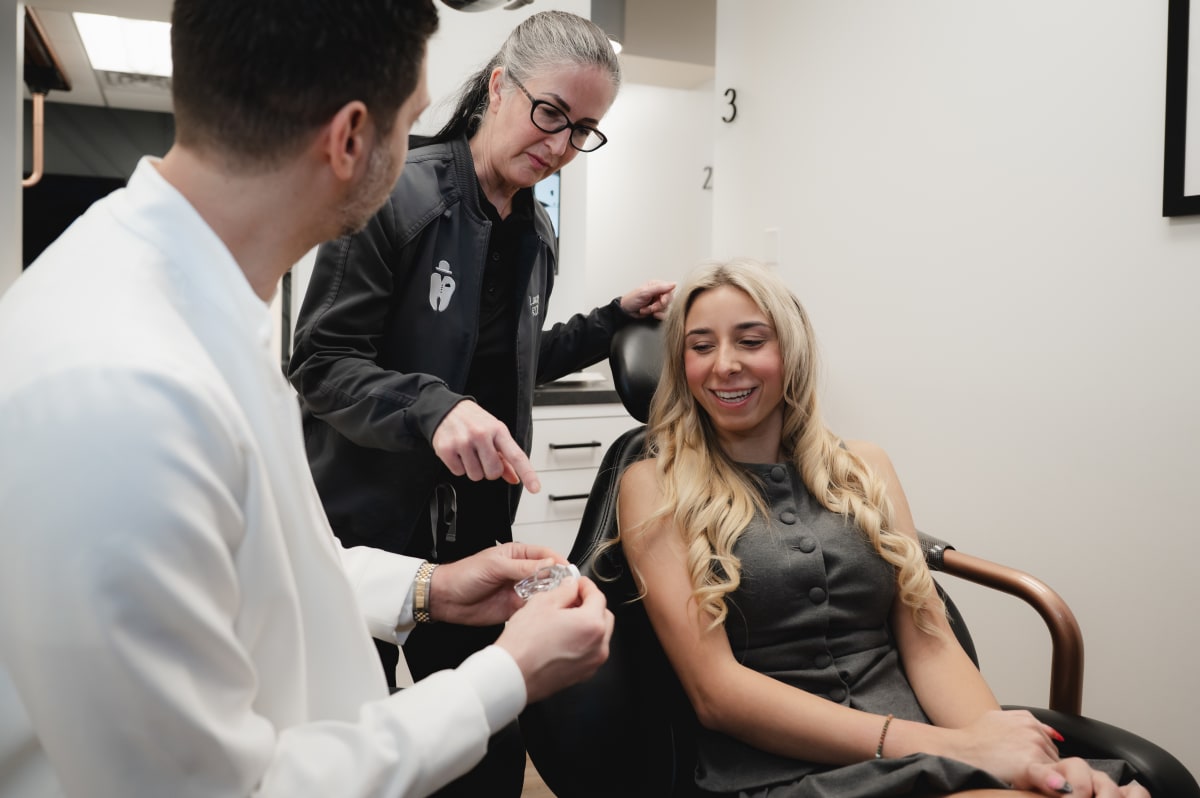
If you're considering Invisalign, cost is naturally part of the conversation. You may find a wide range of prices online, but those numbers don't always explain what is included or why treatment can cost more or less from one person to another.
Invisalign treatment in Orlando typically ranges from $3,000 to $8,000. However, at Dapper Dental, the final cost depends on the complexity of your alignment concerns, the length of treatment, and the specific treatment plan recommended for you.
A general price range can be useful for planning, but it can't tell you what your treatment will cost. That requires an evaluation of your teeth, bite, and treatment goals. Understanding what goes into the price, however, can make it much easier to evaluate your options and know what questions to ask during a consultation.
Key Takeaways
- Invisalign treatment at Dapper Dental typically ranges from $3,000 to $8,000.
- The complexity of your case is one of the biggest factors affecting the total cost.
- Treatment length, the number of aligners, attachments, and refinement trays can also influence the overall investment.
- Some dental insurance plans include orthodontic benefits that may apply to Invisalign.
- FSAs and HSAs may be used for eligible orthodontic expenses.
- Financing and membership options may provide additional ways to manage treatment costs.
- A consultation provides a personalized treatment plan and a more accurate estimate than an online price range.
What Factors Affect the Cost of Invisalign?
There isn't one standard Invisalign treatment plan. The number of teeth being moved, the type of movement required, and the condition of your bite all influence the scope of treatment.
Case Complexity
The extent of tooth movement needed is one of the most important factors affecting Invisalign costs.
A relatively straightforward case involving minor crowding or spacing may require fewer aligners and less treatment time. More complex cases can involve significant crowding, larger spaces, rotations, or bite concerns that require additional planning and tooth movement.
Some treatments also require small tooth-colored attachments. These attachments give the aligners additional leverage to make certain movements more predictable. Depending on the case, additional refinement aligners may also be needed after the initial series.
The goal isn't simply to straighten the most visible teeth. A comprehensive treatment plan considers how the teeth fit together and how the planned movements affect your overall bite.
At Dapper Dental, your consultation includes an evaluation of your current alignment and the movements needed to achieve your treatment goals. That information provides the foundation for determining the appropriate scope of care.
How Does Treatment Length Affect Invisalign Cost?
Treatment length and cost are often connected because a longer treatment plan may involve more aligners, appointments, and opportunities to refine tooth movement.
A relatively minor alignment concern may be addressed in a shorter period. More comprehensive treatment can take longer, particularly when the plan involves significant crowding, spacing, or bite correction.
Treatment may also include refinement trays. These additional aligners are used when further adjustments are needed after the initial series to bring the teeth into their planned positions.
For this reason, it is useful to look beyond the total price when comparing Invisalign estimates. Ask what the treatment fee includes, how refinements are handled, and whether retainers are included after active treatment.
A lower initial estimate may represent a more limited treatment plan, while a higher estimate may include more comprehensive tooth movement and additional stages of treatment. The important question is whether the plan addresses the concerns you want to correct.
Does Dental Insurance Cover Invisalign?
Some dental insurance plans include orthodontic benefits that can apply to Invisalign or other clear aligner treatments. Coverage is often provided up to a lifetime maximum, meaning the plan contributes a specified amount toward eligible orthodontic care.
The details vary significantly between plans. Some have age limitations, waiting periods, deductibles, or other restrictions, while others may cover only a portion of the total treatment cost.
Because insurance benefits are specific to your plan, we recommend confirming your orthodontic coverage before beginning treatment. At Dapper Dental, our team can help you understand how your benefits may apply and what portion of the treatment may remain your responsibility.
Can You Use an FSA or HSA for Invisalign?
Flexible Spending Accounts and Health Savings Accounts may also be used for eligible orthodontic expenses. Using pre-tax funds can be another way to manage the portion of treatment not covered by insurance.
Eligibility and account rules vary, so it's best to confirm with your plan administrator before using these funds.
What If You Don't Have Dental Insurance?
Insurance isn't the only way to plan for dental treatment. Dapper Dental offers an in-house membership plan for people who do not have traditional dental insurance.
Membership plans vary from standard insurance because they are designed to provide specific benefits directly through the dental practice rather than reimburse treatment through an insurance carrier.
If you don't have dental insurance, our team can explain whether the membership plan is appropriate for your situation and how it may fit into your overall dental care.
What Financing Options Are Available for Invisalign?
For some people, spreading treatment costs over several payments makes Invisalign easier to incorporate into their budget. Financing can allow you to pay for treatment over time rather than covering the entire cost at the beginning.
Available financing options, payment schedules, and eligibility requirements vary. During your consultation, the Dapper Dental team can explain the options currently available and how they apply to your treatment plan. When evaluating financing, consider the full repayment amount, payment schedule, and any applicable fees or interest rather than focusing only on the monthly payment.
For people without dental insurance, the DapperVIP Membership Plan is another option to consider. The adult and teen membership includes 10% savings on Invisalign, up to $500, along with discounts on other dental treatment. DapperVIP is not dental insurance and cannot be combined with dental insurance, so our team can help you determine whether it makes sense for your situation.
What Does the Invisalign Consultation Tell You?

An Invisalign consultation gives you information that a general online price range can't provide. Instead of estimating based on an average case, your provider can evaluate your teeth and determine what your treatment would actually involve.
A consultation typically includes several important steps.
Evaluation of your teeth and bite
Your provider will assess your alignment, spacing, crowding, bite, and other factors that may influence treatment. This helps determine whether Invisalign is appropriate and what type of tooth movement may be required.
Discussion of your goals
You'll have an opportunity to explain what you'd like to change. Your goals may involve crowded front teeth, spaces between teeth, bite concerns, or a broader improvement in alignment.
Understanding those priorities helps your provider develop a treatment plan that addresses what matters most to you.
Treatment planning
Once your teeth and goals have been evaluated, your provider can outline the anticipated treatment process. This may include the expected treatment length, number of aligners, attachments, refinement trays, and retention after active treatment.
Cost and payment information
With the scope of treatment established, you'll receive information about the expected cost and how insurance, membership benefits, financing, or other payment options may apply.
A personalized estimate is much more useful than choosing a provider based on a general price range because it allows you to understand exactly what you're paying for.
What Should You Ask When Comparing Invisalign Costs?
If you're comparing Invisalign providers in the Orlando area, asking the right questions can help you understand why treatment estimates differ.
Consider asking:
- What is included in the total treatment fee?
- How long is treatment expected to take?
- Are refinement aligners included?
- Are retainers included after treatment?
- How frequently will follow-up appointments take place?
- Will the treatment address my overall bite or primarily the front teeth?
- How will my insurance benefits apply?
- What financing or payment options are available?
The lowest estimate isn't necessarily the most appropriate treatment plan, just as the highest estimate isn't automatically the most comprehensive. The value of a treatment plan comes from understanding what care is being provided and whether it addresses your specific needs.
Does Invisalign Cost More for More Complicated Cases?
Generally, more involved cases require more treatment planning and tooth movement, which can affect the overall cost.
For example, minor spacing may require a relatively short treatment plan, while significant crowding combined with bite concerns may require more aligners and a longer treatment period. Attachments and refinement trays may also be part of a more complex plan.
Complexity isn't determined solely by how crooked the teeth appear. Some movements require more planning than others, and the relationship between the upper and lower teeth also plays a role. That's why two people with similar-looking front teeth may receive different treatment recommendations and estimates.
Is Invisalign Worth the Cost?
Whether Invisalign is a good investment depends on your goals and the treatment you need. Clear aligners can improve tooth alignment while allowing you to remove the trays for eating, brushing, and flossing. They also offer a discreet alternative to traditional braces for many people.
Beyond appearance, improving alignment can make certain areas easier to keep clean and may address some bite-related concerns when orthodontic treatment is appropriate.
Your provider can explain what Invisalign is expected to accomplish in your specific case, along with any limitations or alternative treatments that may be worth considering.
How Can You Prepare for an Invisalign Consultation?
You don't need to determine which treatment you want before your consultation. It can be helpful, however, to think about what you'd like to change and what questions you have about treatment.
You may want to consider:
- Which teeth or areas of your smile you'd like to improve
- Whether you have a preferred treatment timeline
- Whether you've had orthodontic treatment in the past
- Any concerns about wearing removable aligners
- Your dental insurance or available FSA/HSA funds
- Questions about financing or payment options
Bringing your insurance information can also make it easier for the dental team to review your orthodontic benefits.
Find Out What Invisalign Could Cost for You
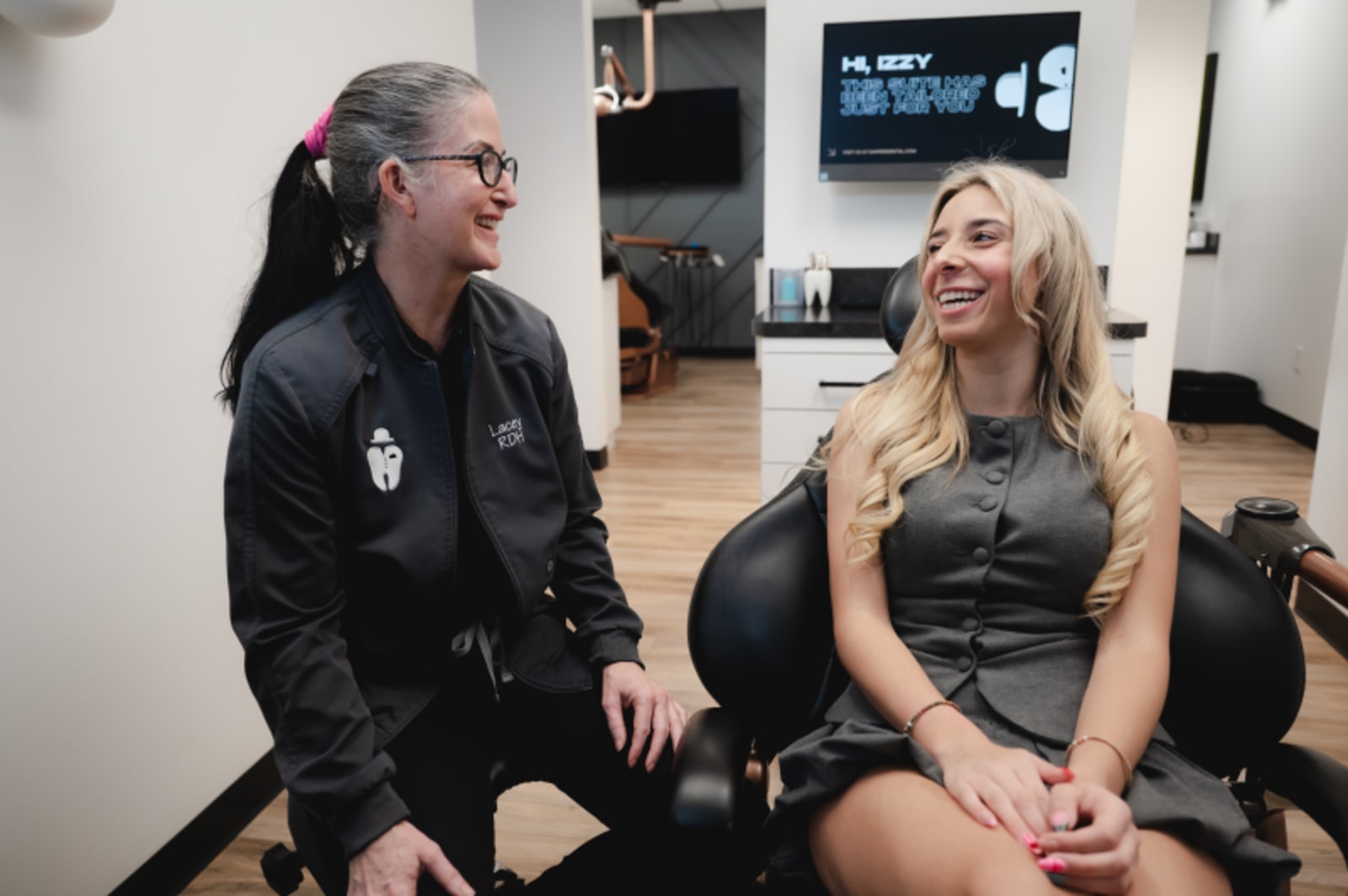
The cost of Invisalign depends on the treatment your teeth require, so an individualized consultation is the most reliable way to determine your investment.
Dapper Dental provides Invisalign consultations for people in Winter Park and throughout the Orlando area. Dr. Sutton and the team can evaluate your alignment, discuss your goals, explain the recommended treatment, and review the associated costs and payment options.
If you're considering Invisalign and would like a clearer understanding of what treatment could look like, call Dapper Dental at (407) 755-0936 or visit the office at 595 West Fairbanks Ave., Winter Park, FL 32789.
follow us
relax.
refresh.
repeat.
experience The Dapper Difference
Contact us today to schedule an appointment.
